Sewage System Installation in Denver, CO
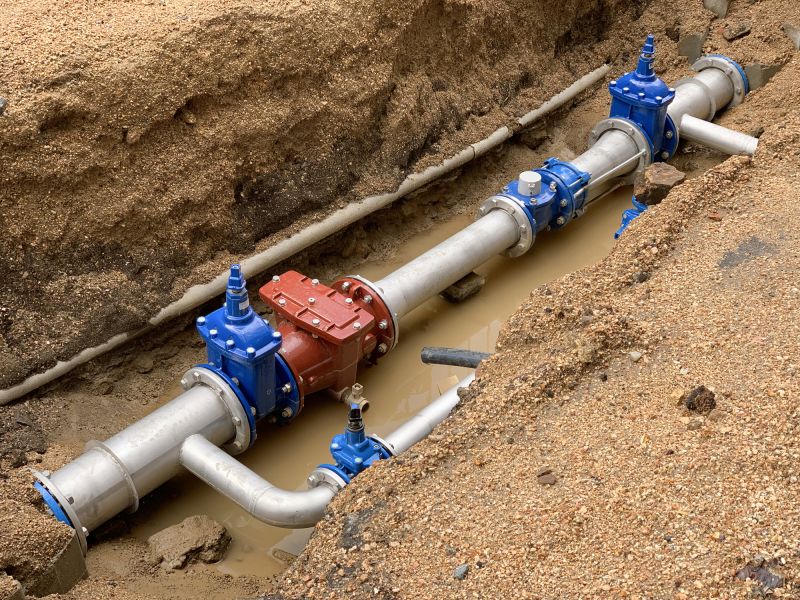
Sewage system installation services involve setting up the underground piping and infrastructure necessary to safely carry wastewater from a property to a municipal treatment facility or an appropriate disposal site. These projects typically include installing new sewer lines for new construction, replacing aging or damaged pipes, or upgrading existing systems to improve flow and prevent backups. Property owners often seek these services when building new homes, adding extensions, or experiencing issues with their current sewage setup that require a comprehensive or partial overhaul.
Before requesting sewage system installation, property owners usually want to understand the scope of work involved, including the planning and permitting process, the materials used, and the expected duration of the project. It’s also important to consider the location of existing utility lines, the property’s topography, and any local regulations that may impact installation. Clear communication about these factors helps ensure the project aligns with the property’s needs and complies with local codes.
Many property owners in Denver, CO look into Sewage System Installation for repairs, replacements, upgrades, and appearance-related improvements.
Sewage System Design And Planning
Proper planning ensures efficient and reliable sewage system installation for residential and commercial properties.
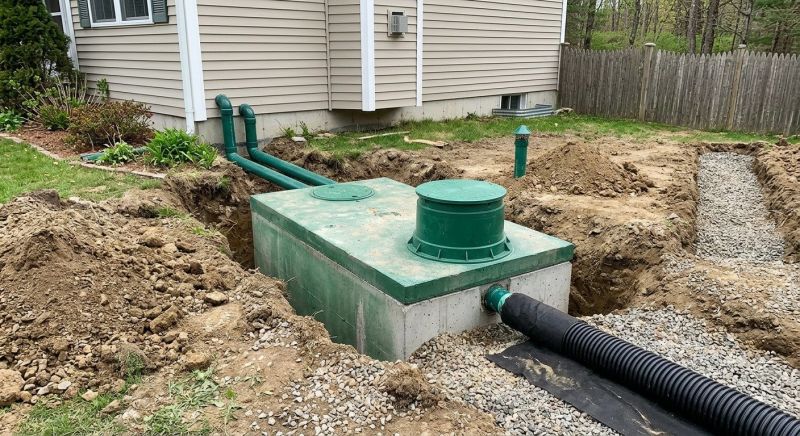
Septic And Sewer Line Installation
New installations involve connecting buildings to municipal sewer systems or installing septic tanks for off-grid properties.
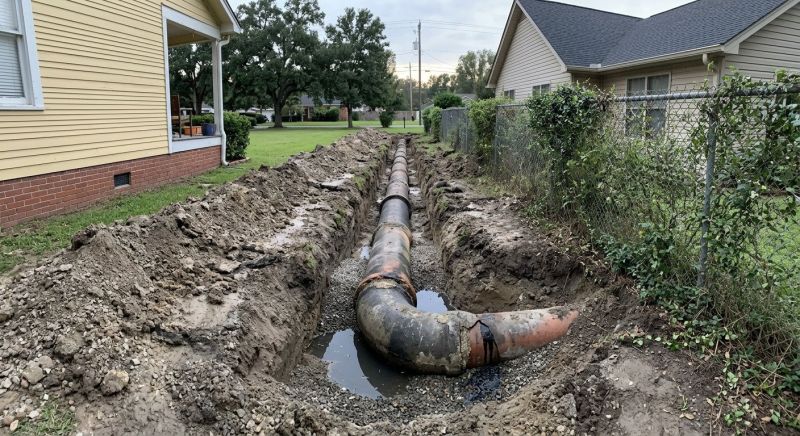
Maintenance And Repair Services
Regular inspection and prompt repairs help prevent backups and extend the lifespan of sewage systems in denver and nearby areas.
Sewage System Installation in Denver, CO

Sewage system installation services involve setting up the underground piping and infrastructure necessary to safely carry wastewater from a property to a municipal treatment facility or an appropriate disposal site. These projects typically include installing new sewer lines for new construction, replacing aging or damaged pipes, or upgrading existing systems to improve flow and prevent backups. Property owners often seek these services when building new homes, adding extensions, or experiencing issues with their current sewage setup that require a comprehensive or partial overhaul.
Before requesting sewage system installation, property owners usually want to understand the scope of work involved, including the planning and permitting process, the materials used, and the expected duration of the project. It’s also important to consider the location of existing utility lines, the property’s topography, and any local regulations that may impact installation. Clear communication about these factors helps ensure the project aligns with the property’s needs and complies with local codes.
Many property owners in Denver, CO look into Sewage System Installation for repairs, replacements, upgrades, and appearance-related improvements.
Common Sewage System Installation Jobs
Sewage system installation involves setting up new underground pipes to safely carry wastewater away from properties.
Residential sewage systems are designed to meet the specific needs of homes and ensure proper drainage.
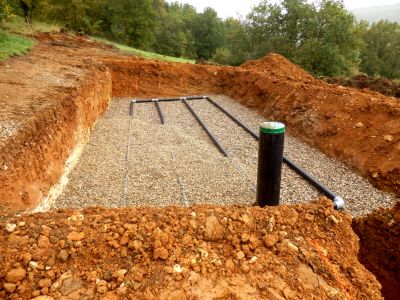
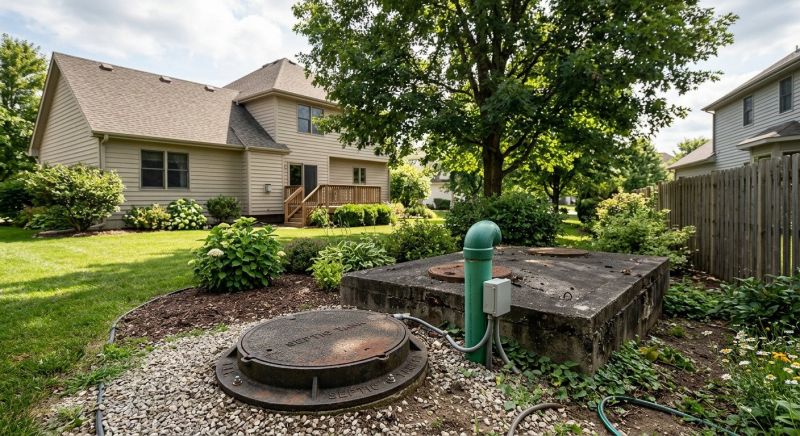
Septic system installation is essential for properties not connected to municipal sewer lines.
Main sewer line installation connects a property’s plumbing to the municipal sewer system for efficient waste removal.
Drainage system setup helps prevent water pooling and manage stormwater runoff effectively.
Custom sewage solutions are available to accommodate unique property layouts and local regulations.
Sewage System Installation Questions
What is involved in sewage system installation? The process includes planning, excavation, laying pipes, and connecting to the main sewer line to ensure proper waste removal from the property.
What types of properties require sewage system installation? Properties without access to a municipal sewer system, such as new builds or properties in rural areas, often need a septic or alternative sewage system.
How do I know if my existing sewage system needs replacement? Signs include persistent backups, unpleasant odors, or frequent clogs, indicating that the current system may be failing or outdated.
What permits are needed for sewage system installation? Local regulations typically require permits to ensure the installation meets health and safety standards before work begins.
Request Sewage System Installation in Denver, CO
Use the quote form on this page to share the basics of your project and request more information for the type of work you need.